

The transition from school to university is an exciting milestone, but it also comes with important decisions and new responsibilities. Students who prepare for university in high school often feel more confident when it is time to apply, choose a degree, and begin their academic journey. Early planning gives you enough time to improve your grades, develop valuable skills, explore career options, and understand university requirements. With the right approach, you can make informed decisions that support both your education and your future career.
Why University Preparation Should Start Early
Many students believe university planning begins during their final year of school. In reality, preparing earlier provides more opportunities to build a strong academic profile and make thoughtful decisions about future studies.
Starting early allows students to explore different degree programs, understand admission requirements, and identify careers that match their interests. It also reduces last-minute stress by giving enough time to improve academic performance and participate in activities that strengthen university applications.
Early university preparation also encourages students to develop study habits, time management, and personal responsibility. These qualities become valuable once university life begins, where greater independence is expected.
Understand Your Interests and Career Goals
Before choosing a university or degree program, spend time learning about your own interests, strengths, and long-term ambitions. Understanding yourself makes it easier to identify courses that support your future goals.
Explore Subjects You Enjoy
The subjects you enjoy studying often provide useful clues about careers that may suit you. Students interested in mathematics and science may consider engineering, healthcare, or technology, while those who enjoy communication, creativity, or business can explore many other professional pathways.
Choosing a field that matches your interests often leads to stronger motivation and better academic performance throughout university.
Identify Your Strengths
Academic results are only one part of the decision-making process. Skills such as leadership, communication, creativity, teamwork, and analytical thinking also influence future success.
Take time to reflect on your achievements both inside and outside the classroom. Teachers, mentors, and family members may also help you recognize strengths that support different career options.
Research Career Opportunities
Understanding how different careers relate to university programs helps students make informed educational decisions. Learn about job responsibilities, required qualifications, future employment prospects, and opportunities for professional growth before selecting a degree.
Researching careers early also helps students avoid choosing courses simply because they are popular or recommended by others.
Build a Strong Academic Foundation
Strong academic performance plays an important role in university admissions. Developing effective study habits during school makes the transition to higher education much smoother.
Focus on Consistent Performance
Universities often review academic records over several years rather than looking only at final examination results. Maintaining consistent performance demonstrates commitment and a willingness to learn.
Students should create realistic study schedules, complete assignments on time, and seek help whenever they encounter academic challenges.
Improve Study Skills
Learning how to organize information, take effective notes, prepare for examinations, and manage time helps students perform more confidently throughout school and university.
These habits also reduce stress because students become more comfortable balancing different academic responsibilities.
Learn About Admission Requirements
Every university has different admission criteria. Some programs require specific school subjects, language proficiency, entrance examinations, or portfolios.
Students who understand these requirements early have more time to prepare strong applications. Those seeking personalized guidance can also explore how Masary Hub works to understand how expert support helps simplify university planning and academic decision-making.
Develop Skills Beyond the Classroom
Academic performance is important, but universities also value students who demonstrate initiative, responsibility, and a willingness to learn outside the classroom. Participating in different activities helps students build confidence while preparing for university life.
Join Extracurricular Activities
Sports, debate clubs, student councils, volunteer work, music, arts, and community service all contribute to personal growth. These experiences help students develop leadership, teamwork, communication, and problem-solving skills that remain valuable throughout university and future careers.
Taking part in activities you genuinely enjoy also creates opportunities to discover new interests and strengths.
Build Communication Skills
Strong communication supports success in presentations, group projects, interviews, and everyday university life. Reading regularly, participating in discussions, and practicing public speaking can improve both written and verbal communication.
Students who communicate confidently often adapt more easily to university environments where collaboration is a regular part of learning.
Improve Time Management
Balancing schoolwork, extracurricular activities, and personal responsibilities prepares students for the greater independence that comes with higher education.
Creating weekly study plans, setting realistic goals, and avoiding procrastination are practical habits that make academic life more organized and less stressful.
Research Universities Carefully
Selecting the right university involves much more than comparing rankings. Students should look for institutions that match their academic interests, learning style, and long-term career goals.
Compare Degree Programs
Universities may offer similar degrees with different course structures, practical learning opportunities, internship options, and industry partnerships. Reviewing the curriculum helps students understand what they will study throughout the program.
Looking beyond the course title provides a clearer picture of how each program prepares graduates for future careers.
Understand Student Support Services
University life brings new challenges, so it is helpful to learn about academic advising, career guidance, counseling services, internship support, and student organizations before applying.
Access to these resources often contributes to a more positive university experience and stronger academic performance.
Prepare Application Documents Early
Many universities require personal statements, recommendation letters, academic transcripts, language test scores, and supporting documents. Preparing these materials in advance reduces pressure as application deadlines approach.
Students should also review scholarship opportunities and financial planning early to avoid last-minute decisions.
Prepare for the Transition to University
Moving from school to higher education is an important step that requires both academic and personal preparation. Developing confidence before starting university makes the adjustment much easier.
Students often find encouragement by reading university preparation journeys, where real experiences show how careful planning, informed decisions, and consistent effort lead to successful university admissions and rewarding educational experiences.
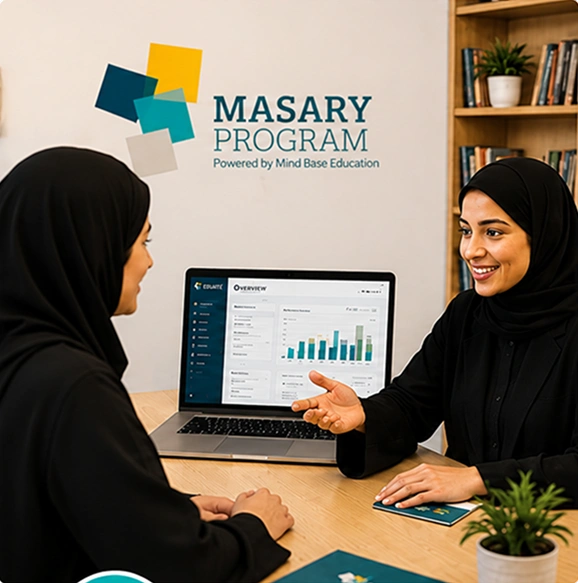
Masary Hub supports students throughout this process by providing personalized guidance, university matching, and practical advice that helps students move confidently from school to higher education. Whether you are exploring degree options or preparing your applications, expert support can make every step of the journey clearer and more manageable.
Looking Ahead With Confidence
Students who prepare for university in high school give themselves the opportunity to make thoughtful decisions instead of rushing through the application process. Building strong study habits, exploring career interests, developing practical skills, and researching universities all contribute to greater confidence when it is time to begin higher education.
Remember that university preparation is not only about achieving good grades. It is also about becoming an independent learner who can manage responsibilities, adapt to new challenges, and continue growing throughout both academic and professional life.
Conclusion
Learning how to prepare for university in high school is one of the best investments students can make in their future. Early university preparation, understanding the transition from high school to university, improving college readiness, and following practical university admission tips all help students approach higher education with confidence. With careful planning, consistent effort, and reliable guidance, every student can begin university ready to succeed both academically and personally.
Frequently Asked Questions
When should students start preparing for university?
Students should begin preparing as early as possible during high school. Starting early provides enough time to improve academic performance, explore career interests, participate in extracurricular activities, and understand university admission requirements.
Why is university preparation important?
University preparation helps students build academic skills, confidence, and clear educational goals. Planning ahead also reduces stress and allows students to make informed decisions about their future studies.
What can students do to improve college readiness?
Students can improve college readiness by maintaining good grades, developing time management skills, joining extracurricular activities, strengthening communication abilities, and researching university programs that match their interests.
How can students prepare for university admissions?
Understanding admission requirements, preparing application documents early, writing strong personal statements, requesting recommendation letters, and meeting application deadlines all contribute to successful university admissions.
Why is the transition from high school to university challenging?
The transition involves greater independence, increased academic expectations, and new responsibilities. Preparing early helps students adjust more comfortably to university life and learning environments.
How can career guidance help with university planning?
Career guidance helps students understand their strengths, explore suitable degree programs, and make informed educational decisions. Personalized advice also helps students connect their academic choices with future career goals.