

Career decisions can shape a student’s education, finances, daily routine, and sense of purpose for years. Yet many students are expected to choose a field before they fully understand their interests or the options available to them. The importance of career counseling becomes clear at this point. Good guidance gives students time and space to examine their strengths, interests, values, abilities, and goals before making major decisions. It can help them connect education with realistic career options and create a plan that can change as they learn more about themselves.
Understanding the Importance of Career Counseling
Choosing a career is rarely a simple decision. Students often have to consider academic performance, personal interests, family expectations, financial goals, employment opportunities, and the type of life they want to build. Without enough information, these factors can become difficult to balance.
Career counseling gives students a structured way to think about these questions. A counselor can help them identify patterns in their interests, understand their strengths, and consider career options that match their abilities. The process is not about assigning one career to a student. It is about helping the student make an informed decision.
Moving Beyond Guesswork
Many students choose careers because they hear that a particular field pays well or because friends are choosing the same subject. Others follow family expectations without asking whether the path matches their own interests.
These choices can work for some people, but they can also create problems when personal preferences and career demands do not match. Counseling gives students an opportunity to look beyond popular choices and consider what is genuinely suitable for them.
Making Decisions With Better Information
Good decisions require good information. Students need to understand what different careers involve, what qualifications they require, what skills are useful, and what professional environments may look like.
Career counseling helps bring these questions into the decision-making process. Students can then compare options based on more than assumptions or limited exposure.
Helping Students Understand Their Strengths
Self-awareness is one of the strongest foundations for career planning. Students may know which subjects they like, but they do not always know how their abilities translate into professional settings.
Identifying Transferable Skills
Communication, critical thinking, creativity, organisation, leadership, research, teamwork, and problem-solving can be useful across many professions. A student may develop several of these skills without realising their value.
Counseling can help students identify these abilities and think about where they could be useful. Someone who enjoys organising events and communicating with people might consider marketing, public relations, management, or hospitality. A student who enjoys analysing information may find opportunities in finance, technology, research, or business.
Understanding Personal Preferences
Skills alone do not determine career fit. Students also need to consider how they prefer to work.
Some people enjoy collaborative environments, while others prefer independent tasks. Certain students like predictable routines, while others enjoy variety and problem solving. Understanding these preferences can help students identify professional environments where they are more likely to remain engaged.
Exploring Interests and Career Options
Students can have interests that do not immediately point toward one obvious profession. A student who enjoys science, for example, could consider medicine, research, biotechnology, environmental science, education, or several other fields.
Career counseling helps students explore these possibilities without forcing an early decision.
Looking at Multiple Directions
A useful counseling conversation can reveal that one interest may connect to several career areas. This gives students a broader understanding of what they can do with their education.
Exploration also allows students to compare careers based on their responsibilities, required qualifications, working environments, and potential progression.
Testing Assumptions
Students sometimes have an idealised view of certain professions. They may focus on the attractive parts of a career while knowing little about the daily responsibilities involved.
Counseling encourages students to examine those assumptions. Learning what a profession actually requires can help them decide whether the field matches their expectations.
Supporting Better Academic Decisions
Education and career planning are closely connected. The courses students choose, skills they develop, and experiences they pursue can all influence their future opportunities.
This is one reason career guidance for students should begin before major academic decisions are made.
Choosing Relevant Subjects
Students may have opportunities to choose electives, specialisations, certifications, or additional learning experiences. Understanding their career interests can help them decide which options are most useful.
For example, a student interested in business analytics may benefit from developing skills in statistics, data interpretation, business communication, and technology. Someone interested in creative industries may need opportunities to build a portfolio and develop communication or design skills.
Connecting Study With Future Goals
Students are more likely to see the value of their education when they understand how their studies relate to possible careers.
A clear connection can also help them identify gaps. If a student has a career goal but lacks a particular skill, they can look for courses, projects, internships, or independent learning opportunities that address it.
Improving Student Career Planning
Effective student career planning is not a single conversation. It is an ongoing process that can change as students gain experience and learn more about themselves.
Setting Short-Term Goals
Large career goals can feel overwhelming when they are too far away. Breaking them into smaller actions makes progress easier to manage.
A student might begin by researching a profession, speaking with someone working in the field, joining a relevant project, or developing a specific skill. Each step provides information that can influence the next decision.
Reviewing Progress
Career plans should be reviewed as circumstances change. Students may discover new interests, develop unexpected strengths, or realise that a particular field is not suitable.
Regular reflection gives them an opportunity to adjust their plans without feeling that they have failed. A change in direction can be a sign of better self-understanding.
Building Confidence in Career Decisions
Uncertainty can make students hesitant to act. They may worry about choosing the wrong degree, disappointing their families, or missing better opportunities.
Career counseling can give students a clearer framework for evaluating their options.
Reducing Decision Pressure
Students do not need to know every detail of their future before making their next decision. They need enough understanding to choose a sensible direction and identify the next step.
Counseling can reduce the pressure to find one perfect answer. Instead, students can focus on making informed choices based on what they know at the current stage of their education.
Encouraging Independent Thinking
One of the long-term benefits of career counseling is that students can learn how to make decisions for themselves. They become more comfortable asking questions, comparing information, considering consequences, and reflecting on personal priorities.
These skills remain useful when students face new choices during university and professional life.
Preparing Students for the Workplace
Career counseling can also help students think beyond education. Academic qualifications matter, but professional success often depends on practical experience and skills.
Identifying Workplace Skills
Employers in different industries look for different capabilities, but communication, teamwork, adaptability, problem-solving, and professional responsibility are commonly useful.
Students can start developing these skills through projects, internships, volunteering, student organisations, and part-time opportunities.
Understanding Professional Expectations
Students who have limited workplace exposure may not know what employers expect from graduates. Career guidance can help them think about professional communication, interviews, networking, workplace behaviour, and the importance of practical experience.
Understanding these expectations earlier gives students more time to prepare.
Helping Students Explore Career Pathways
A career should not be viewed only as a single job title. Most fields contain different roles, specialisations, and progression opportunities.
Students can explore career pathways to understand how their interests and skills may connect with different educational and professional directions.
Seeing Options Within One Field
A student interested in technology may initially think only about software development. Further exploration could reveal opportunities in cybersecurity, data analysis, product management, user experience, research, or technology consulting.
The same principle applies across other industries. Understanding the range of roles within a field can help students make better choices about specialisation.
Keeping Career Plans Flexible
Career planning should provide direction without restricting future choices. Students may change their goals after gaining new experience, and that is a normal part of professional development.
A flexible plan gives students room to respond to new information while keeping their broader goals in view.
Making Career Counseling More Personal
Every student brings a different combination of abilities, interests, academic experiences, and ambitions. A standard recommendation may not account for those differences.
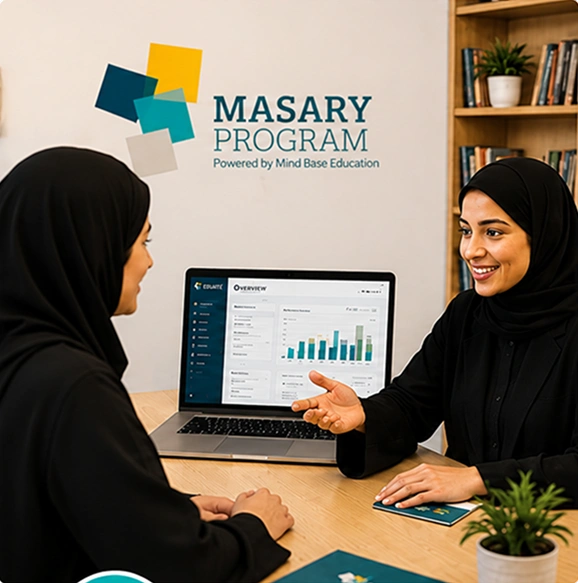
Understanding how Masary works can help students and families see how personalised support can bring individual needs into the counseling process.
Looking at the Whole Student
Effective guidance considers more than grades. Academic performance provides useful information, but interests, personality, skills, motivation, goals, and personal circumstances also matter.
Looking at these factors together can produce a more realistic picture of potential career directions.
Using Assessment as a Starting Point
Scientific assessment can help students understand areas such as interests, abilities, and preferences. These insights can support conversations about career choices and educational planning.
Assessment should be treated as useful information rather than a final verdict. Students can combine the results with research, practical experiences, and professional advice.
The Role of Parents in Career Decisions
Parents can have a significant influence on career choices. Their experience and advice can be valuable, but students also need space to develop their own goals.
Supporting Without Choosing
Parents can ask questions, listen to concerns, and encourage exploration. They can also help students think about financial and practical considerations.
A supportive approach allows the student to take ownership of the final decision. This can lead to greater commitment because the career plan reflects the student’s own understanding and priorities.
Creating Open Conversations
Career discussions are more useful when students feel comfortable discussing uncertainty. A student who is afraid of disappointing their parents may hide doubts until a problem becomes difficult to address.
Open conversations make it easier to identify concerns early and seek appropriate guidance.
Why Career Counseling Is Important at Different Stages
The answer to why career counseling is important can differ depending on a student’s stage of education.
A school student may need help identifying interests and understanding possible fields. A university student may need support with specialisation, internships, and professional skills. A recent graduate may need help evaluating employment options or considering further education.
The purpose of counseling changes with the student’s needs, but the central goal remains the same. Students receive support to make thoughtful decisions based on a clearer understanding of themselves and their options.
Creating a More Purposeful Future
The importance of career counseling goes beyond selecting a profession. It is about helping students develop the knowledge and confidence needed to make meaningful decisions about their education and working life.
Students who understand their strengths can make better use of their academic opportunities. Those who research career options can make choices based on realistic expectations. People who regularly review their plans can adapt when their interests or circumstances change.
For an education organisation focused on personalised learning and development, Masaryhub provides a platform where students can receive support that reflects their individual needs and goals.
Conclusion
Career counseling gives students a practical way to understand themselves, evaluate career options, plan their education, and prepare for professional life. Its value comes from helping students make informed choices rather than leaving important decisions to chance or outside pressure. With the right guidance, students can build career plans that reflect their abilities, interests, and ambitions while remaining open to future growth.
Frequently Asked Questions
Why is career counseling important for students?
Career counseling helps students understand their strengths, interests, and career options before making major academic or professional decisions. It can give them greater clarity and direction.
What are the benefits of career counseling?
The benefits include better self-awareness, informed career choices, stronger planning, improved confidence, and a clearer connection between education and future professional goals.
When should students start career counseling?
Students can start at any stage of their education. Earlier guidance gives them more time to explore options, while older students can focus on specialisation, internships, employment, or further study.
Can career counseling help students who already have a career goal?
Yes. Counseling can help students test their assumptions, identify useful skills, choose relevant learning opportunities, and create practical steps toward their chosen field.
How does career counseling support academic planning?
Career counseling connects academic choices with potential career goals. Students can use this information when selecting subjects, specialisations, courses, projects, and practical experiences.
Does career counseling choose a career for the student?
No. Good counseling helps students understand their options and make their own informed decisions. The student remains responsible for choosing the direction that feels right for them.