

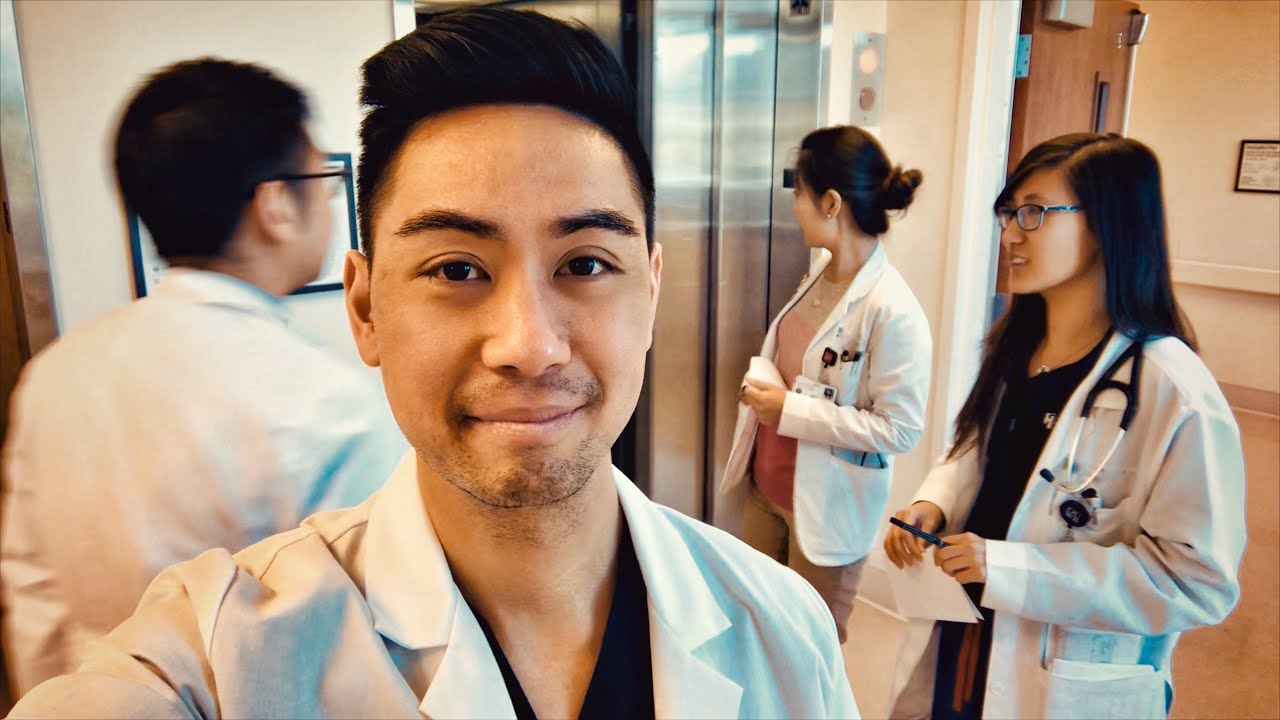
A day in the life of a doctor involves much more than diagnosing illnesses and prescribing treatment. Doctors spend their time reviewing patient information, listening to concerns, making decisions, working with healthcare teams, and responding to situations that can change quickly. Their responsibilities depend on their specialty, workplace, experience, and the people they care for. For students considering a medical career, understanding what doctors actually do each day can provide a clearer picture of the profession beyond school science lessons and television dramas.
Medicine can be rewarding, intellectually demanding, and deeply connected to helping others. It also involves long periods of study, emotional responsibility, careful communication, and the ability to keep learning. A doctor working in a hospital may have a very different schedule from a general practitioner in a community clinic or a specialist working in a private practice.
Exploring the daily routine of a doctor helps students understand both the opportunities and the challenges involved. It also shows why choosing medicine should involve more than an interest in biology or the desire to wear a white coat.
What Does a Typical Day Look Like for a Doctor?
There is no single routine that applies to every doctor. A surgeon, pediatrician, emergency physician, and family doctor have different responsibilities. Their schedules also depend on patient demand, hospital arrangements, and the type of care they provide.
Even so, many doctors begin their working day by reviewing information and preparing for patient care. They may check medical records, examine test results, attend team meetings, or discuss patients who need follow-up.
The rest of the day can involve consultations, examinations, treatment decisions, procedures, documentation, and communication with other healthcare professionals.
Starting the Day With Patient Information
A hospital doctor may begin with a handover from the team that worked overnight. During this discussion, doctors review patients who have been admitted, changes in their conditions, test results, and any concerns that need attention.
This information helps the incoming team understand what has happened and decide which patients need to be seen first.
Doctors also review medical histories and recent investigations before meeting patients. Preparing in this way helps them ask relevant questions and understand the context of each person’s condition.
Ward Rounds and Patient Reviews
In many hospitals, doctors take part in ward rounds. These involve visiting patients, checking their progress, reviewing symptoms, and deciding whether treatment needs to change.
A doctor may examine a patient recovering from surgery, speak with someone who has a new diagnosis, or review whether a patient is ready to leave hospital.
Ward rounds often involve nurses, pharmacists, junior doctors, and other specialists. Each professional contributes different knowledge, so communication is important.
Meeting Patients and Understanding Their Concerns
A large part of medical work involves speaking with people. Doctors need to understand not only what symptoms a patient has, but also how those symptoms affect daily life.
A patient may describe pain, tiredness, breathing difficulties, changes in appetite, or symptoms that are difficult to explain. The doctor listens, asks questions, and looks for information that can help identify the cause.
Taking a Medical History
A medical history is a conversation about a person’s health. Doctors may ask when symptoms began, how they have changed, whether anything makes them better or worse, and whether the patient has experienced similar problems before.
They may also ask about existing conditions, medicines, allergies, family health history, and lifestyle factors when relevant.
Listening carefully is important because patients may mention details that help guide the next stage of assessment.
Carrying Out Examinations
Depending on the situation, doctors may check a patient’s temperature, pulse, blood pressure, breathing, or other physical signs.
A physical examination may involve listening to the heart and lungs, checking movement, examining an affected area, or assessing neurological responses.
The examination is guided by the patient’s symptoms and the questions the doctor needs to answer.
Explaining Findings and Next Steps
Doctors must explain information in language patients can understand. They may discuss possible causes, recommend tests, describe treatment options, or explain why further assessment is needed.
This part of the job requires patience. Patients may feel worried, confused, or overwhelmed, especially when receiving unexpected news.
A good consultation allows patients to ask questions and understand what happens next.
Making Decisions Throughout the Day
Medical decisions are rarely based on one piece of information. Doctors consider symptoms, examination findings, medical history, test results, and the patient’s circumstances.
They may need to decide whether a patient requires further investigations, a change in treatment, specialist input, or hospital admission.
Reviewing Test Results
Doctors use investigations to support their understanding of a patient’s condition. These may include blood tests, imaging, heart recordings, and other assessments.
A test result needs to be interpreted in context. A value outside a reference range does not always explain a patient’s symptoms, and a result within a reference range does not automatically rule out every condition.
Doctors combine different sources of information before deciding what action is appropriate.
Working With Uncertainty
Not every patient arrives with a clear diagnosis. Some symptoms can have several possible causes, and additional information may be needed.
Doctors must consider different explanations, identify warning signs, and decide how urgently a patient needs attention.
This is one reason medical work requires careful reasoning. The ability to ask the right questions and revise an initial opinion is just as important as remembering medical facts.
Working With Other Healthcare Professionals
Doctors do not work alone. Patient care often depends on coordination between several people with different responsibilities.
Nurses monitor patients and provide ongoing care. Pharmacists help review medicines and identify possible medication-related concerns. Physiotherapists support movement and rehabilitation. Radiographers and laboratory professionals help provide diagnostic information.
Doctors may also consult specialists when a patient’s condition requires expertise from another area of medicine.
Communication During Busy Shifts
Healthcare teams need accurate information, especially when patients move between departments or when one team takes over from another.
Doctors must communicate important findings, treatment decisions, and follow-up requirements. Missing information can create confusion and affect continuity of care.
Clear communication also helps patients and their families understand who is involved in their care.
What Happens Behind the Scenes?
Patient consultations are only one part of a doctor’s daily routine. A significant amount of work takes place away from the examination room.
Medical Records and Documentation
Doctors record symptoms, examination findings, diagnoses, treatment plans, and other relevant details in patient records.
Documentation supports communication between healthcare professionals and provides a record of the care delivered. It also helps doctors review changes over time.
Although paperwork may not seem like the most exciting part of medicine, it is an important professional responsibility.
Referrals and Follow-Up
Some patients need assessment from another specialist or further treatment after leaving the clinic or hospital.
Doctors may prepare referrals, arrange additional investigations, and explain when patients should return. They also review patients who have previously received treatment to understand whether it has worked as expected.
Administrative Responsibilities
Doctors may attend departmental meetings, contribute to service planning, review clinical procedures, and help coordinate staff activities.
Senior doctors can have additional responsibilities involving supervision, training, and management.
Different Doctors Have Different Working Days
The experience of being a doctor depends heavily on specialty. Students should explore different branches of medicine rather than assuming that every doctor spends the day working in a hospital.
General Practitioners
General practitioners provide care for a wide range of health concerns. They may see patients with minor illnesses, long-term conditions, injuries, and symptoms that need further investigation.
Their work often involves consultations, health advice, treatment planning, referrals, and ongoing patient relationships.
A general practitioner needs broad medical knowledge and the ability to recognize when a patient requires specialist care.
Surgeons
Surgeons assess patients who may need an operation and perform procedures when appropriate.
Their day can include preoperative assessments, operating theatre work, postoperative reviews, ward rounds, and discussions with other specialists.
Surgical work requires technical skill, preparation, teamwork, and careful decision-making.
Pediatricians
Pediatricians care for babies, children, and young people. They assess development, diagnose illnesses, manage ongoing conditions, and communicate with parents or guardians.
Working with younger patients requires an understanding of how health needs change as children grow.
Emergency Physicians
Emergency physicians assess patients who need urgent medical attention. Their work can involve a wide range of conditions, from injuries to sudden changes in health.
They must prioritize cases, assess risk, coordinate immediate care, and make decisions under time pressure.
Psychiatrists
Psychiatrists assess and treat mental health conditions. Their work may involve patient consultations, treatment planning, medication reviews, and coordination with psychologists, nurses, and other professionals.
They need strong communication skills and an understanding of the relationship between mental and physical health.
The Challenges of Working as a Doctor
Medicine can provide a strong sense of purpose, but the profession also brings responsibilities that students should understand before choosing it.
Long and Demanding Working Hours
Some doctors work regular clinic schedules, while others take part in night shifts, weekend duties, or on-call arrangements.
Hospital doctors may have busy periods when several patients need attention at the same time. The working pattern depends on specialty, workplace, and seniority.
Emotional Responsibility
Doctors meet people during difficult moments. They may care for patients experiencing pain, serious illness, uncertainty, or loss.
These experiences can be emotionally demanding. Doctors need to communicate with empathy while making careful professional decisions.
Continuous Learning
Medical knowledge changes as research develops and new treatments become available. Doctors need to keep their knowledge current through professional learning, training, and review of clinical practice.
Learning does not end after medical school. It remains part of the profession throughout a doctor’s working life.
What Skills Make a Good Doctor?
Academic ability matters in medicine, but success also depends on personal and professional skills.
Communication and Listening
Doctors need to understand patients and explain information clearly. Good listening helps them identify concerns that may not appear in test results or medical records.
Problem Solving
Medical work involves connecting information, considering possible explanations, and deciding what to investigate or do next.
Teamwork
Patient care depends on cooperation between healthcare professionals. Doctors need to respect different areas of expertise and communicate clearly.
Attention to Detail
Small details can matter when reviewing symptoms, medicines, test results, or treatment plans. Careful work helps reduce errors and supports safer decisions.
Empathy and Professional Judgment
Doctors need to understand how illness affects people while maintaining appropriate professional boundaries. They must consider each patient’s circumstances and communicate with respect.
How Do You Become a Doctor?
The route into medicine varies between countries and universities. Students generally need a strong academic foundation, particularly in relevant science subjects, and must meet the entry requirements of their chosen medical programmes.
After entering medical school, students study subjects such as anatomy, physiology, pathology, pharmacology, and clinical medicine. They also gain practical experience through supervised placements and clinical training.
Following graduation, doctors complete further supervised training. The length and structure depend on the country and the specialty they choose.
Students should research entry requirements early because medical programmes can be competitive. They should also learn about the professional responsibilities involved, rather than focusing only on admission requirements.
How Can Students Find Out Whether Medicine Suits Them?
Reading about medicine is a useful first step, but students benefit from exploring the profession in different ways.
They can speak with doctors, attend suitable career events, learn about healthcare settings, and take part in relevant educational activities. Volunteering opportunities may also help them understand the importance of communication, responsibility, and supporting others.
It is useful to ask practical questions. What does a doctor do during a busy shift? How much time is spent speaking with patients? What parts of the work are most challenging? Which specialties involve the type of environment the student prefers?
Schools can support this exploration through a structured career guidance programme for schools, helping students connect their interests with real professional experiences.
Is Medicine the Right Career for Everyone?
Medicine can suit people who enjoy science, problem solving, communication, and working with others. It may appeal to students who want a profession with direct responsibilities toward patients and communities.
At the same time, it is not the only way to contribute to healthcare. Students interested in biology or helping people may also explore nursing, pharmacy, physiotherapy, medical research, laboratory science, public health, and healthcare technology.
Comparing these options can help students find a path that matches their interests and preferred working environment.
Conclusion
A day in the life of a doctor involves far more than medical knowledge. It includes patient conversations, examinations, clinical decisions, teamwork, documentation, and continuous learning. The routine varies across specialties, but communication, responsibility, and careful judgment remain central to the profession.
Students considering medicine should explore what the work actually involves and compare different healthcare careers before making educational decisions. For more information about the organization supporting student career exploration, visit Masary.
Frequently Asked Questions
1. What does a doctor do during a typical working day?
Doctors meet patients, review medical information, carry out examinations, interpret test results, plan treatment, and communicate with healthcare teams. Their daily responsibilities depend on their specialty and workplace.
2. Do all doctors work in hospitals?
No. Doctors also work in clinics, community health centres, private practices, research institutions, universities, and other settings. Their daily schedules vary depending on where they work.
3. Do doctors work long hours?
Some doctors work regular daytime schedules, while others have night shifts, weekend duties, or on-call responsibilities. Working hours depend on specialty, employer, and level of experience.
4. What skills are important for becoming a doctor?
Doctors need scientific knowledge, communication, problem-solving, teamwork, attention to detail, and empathy. They also need the willingness to keep learning throughout their careers.
5. Is studying medicine difficult?
Medical education is demanding because students study a large amount of scientific information and develop practical clinical skills. The experience also requires time management, commitment, and consistent learning.
6. How can students find out if medicine is right for them?
Students can speak with healthcare professionals, research medical specialties, attend career events, and explore suitable healthcare experiences. Learning about the daily responsibilities can help them make a more informed decision.